The Ancient Art of Preserved Lemons: History & Flavor Secrets
Imagine a lemon, but not as you know it. Not the bright, piquant zest of a fresh fruit, nor the tart, bracing squeeze of its juice. Instead, picture a lemon transformed: mellowed, deeply aromatic, with a profound savory complexity that utterly changes a dish. This is the magic of preserved lemons, an ingredient that has quietly shaped cuisines for centuries and is now captivating modern palates with its unique "lemon umami." Far from a fleeting trend, the art of lemon preservation is a testament to culinary ingenuity, offering a depth of flavor that a regular lemon simply cannot replicate.
A Journey Through Time: The Enduring Legacy of Lemon Preservation
The story of preserved lemons is deeply rooted in necessity, a testament to humanity’s age-old quest to extend the bounty of the harvest. Before refrigeration, salt curing was a vital technique for preserving everything from meats to vegetables, ensuring food security long past its natural season. Lemons, with their inherent acidity and robust flavor, proved to be an ideal candidate for this ancient practice.
While the exact genesis of preserved lemons is lost to time, their documented history traces back over nine centuries. A fascinating glimpse into this past comes from the 12th-century Egyptian treatise On Lemon, Its Drinking and Use by the Arabic-speaking court physician Ibn Jumay. His detailed recipe, penned nearly a millennium ago, bears an uncanny resemblance to the methods employed today. This continuity speaks volumes about the effectiveness and enduring appeal of the technique.
From their likely origins in the Middle East and North Africa, these salt-cured citrus gems embarked on a meandering culinary journey. They became indispensable in the vibrant cuisines of Israel, Iran, Turkey, and India, adding their distinctive character to tagines, curries, and stews. Yet, despite their widespread use across diverse cultures, preserved lemons remained largely an "exotic" secret in many Western kitchens until relatively recently. As chef Floyd Cardoz’s surprise demonstrated when confronted with them in New York just a few decades ago, their unique allure has persisted, marking them as a truly special ingredient even in a world of abundant fresh produce.
Unlocking "Lemon Umami": The Flavor Phenomenon
What exactly makes a preserved lemon so different from its fresh counterpart? The answer lies in a remarkable transformation process, largely driven by fermentation and the interaction with salt. Fresh lemons offer a sharp, immediate burst of acidity and a bright, zesty aroma. Preserved lemons, however, undergo a profound metamorphosis, developing a flavor profile that many chefs, like Ana Sortun, describe as "lemon umami."
This "lemon umami" is a complex symphony of tastes. The harsh acidity of the fresh lemon mellows considerably, replaced by a deep, savory, almost mushroom-like quality. The salt penetrates and softens the rind, infusing it with an intense, aromatic brininess that is both tangy and rich. The fruit's natural sugars and acids interact during the curing process, creating new flavor compounds that add layers of floral, sweet, and even slightly funky notes. The result is an ingredient that offers a concentrated lemon essence without the overwhelming tartness, capable of adding an irresistible complexity and depth that brightens and grounds a dish simultaneously.
It's this unique complexity that allows preserved lemons to elevate simple ingredients. They don't just add a sour note; they infuse a dish with a foundational savoriness that can make familiar recipes sing with new life. They are, in essence, more than just a lemon; they are a profound flavor enhancer.
Beyond the Tagine: Culinary Applications and Versatility
While preserved lemons are famously associated with North African staples like Moroccan chicken tagines, Algerian couscous, and Tunisian chickpea stews, their versatility extends far beyond these traditional borders. Once you discover their unique flavor, you'll find countless ways to incorporate them into your everyday cooking.
The peel is the most prized part of a preserved lemon, offering the most concentrated flavor. After a quick rinse to remove excess salt, the peel can be thinly sliced, diced, or minced and stirred into an array of dishes. Consider these innovative applications:
- Dressings and Marinades: Finely chop the peel and whisk it into vinaigrettes for salads, or blend it into marinades for chicken, fish, or lamb. It adds a sophisticated tang and depth that elevates simple greens or grilled proteins.
- Roasted Vegetables: Toss chopped preserved lemon peel with olive oil, garlic, and your favorite root vegetables (potatoes, carrots, parsnips) before roasting. The heat coaxes out even more of their aromatic qualities.
- Seafood Dishes: Preserved lemons are a natural partner for fish and shellfish. Stir a small amount into a butter sauce for pan-seared scallops, or add it to a foil packet with salmon and herbs before baking.
- Grains and Legumes: Mix minced preserved lemon into couscous, rice pilafs, or lentil salads for an instant burst of bright, savory flavor. It's particularly wonderful with pearl couscous and chickpeas.
- Soups and Stews: While famously used in tagines, they can enhance any hearty stew or even a light chicken noodle soup, lending a subtle yet profound citrus backbone.
- Dips and Spreads: Blend a small amount into hummus, baba ghanoush, or a yogurt-based dip for a fresh twist.
- Mashed Potatoes: A tiny bit stirred through mashed potato to serve with fish is a delightful pairing that adds an unexpected layer of flavor.
For more inspiration on how these versatile lemons can transform your cooking, check out our guide on How to Make Preserved Lemons: Elevate Tagines & Everyday Meals.
The Art of Salt and Patience: How to Make Preserved Lemons at Home
Despite their sophisticated flavor profile and ancient lineage, learning how to make preserved lemons is surprisingly straightforward. It requires minimal ingredients and effort, primarily relying on time and patience. The reward is a pantry staple that will open up new dimensions of flavor in your kitchen.
What You'll Need:
- Fresh, organic, thin-skinned lemons (preferably Meyer lemons for a sweeter, more floral note, but regular lemons work beautifully).
- Coarse sea salt or kosher salt (avoid iodized salt, which can discolor the lemons).
- Sterilized glass jars with airtight lids (Kilner-type jars are ideal).
- Optional: Additional fresh lemon juice if needed to top up the jars.
Step-by-Step Guide on How to Make Preserved Lemons:
- Sterilize Your Jars: This crucial step prevents spoilage. Wash your jars and lids thoroughly in hot soapy water, then rinse well. You can then dry them upside down in a preheated oven at 140°C (275°F/Gas 1) for about 15-20 minutes, or run them through a hot dishwasher cycle. Let them cool completely before use.
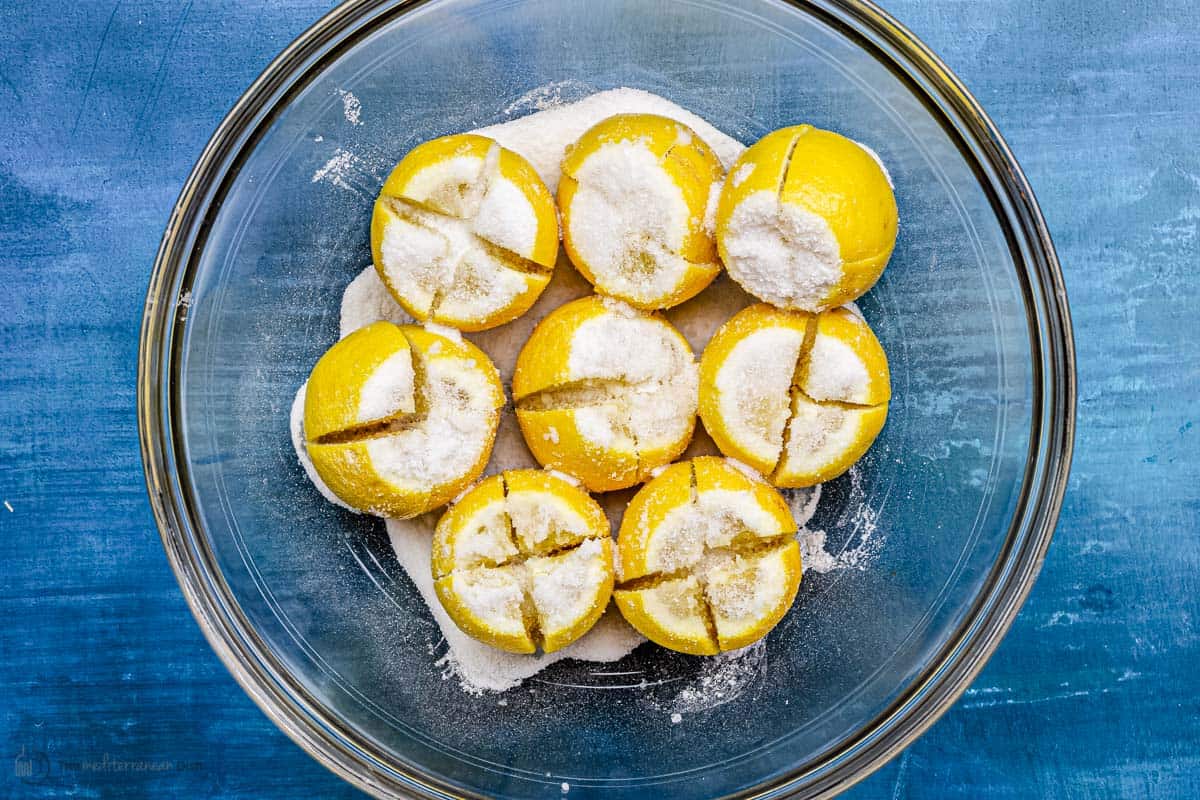
- Prepare the Lemons: Scrub the lemons clean to remove any wax or dirt. Cut off the very tips of each lemon. Depending on your preference and the size of your lemons, you can quarter them lengthwise from the top almost to the bottom, leaving them attached at the base, or slice them into thick rounds or wedges.
- Salt and Pack: For quartered lemons, generously pack the cut surfaces with coarse salt. For slices or wedges, create layers in the jar, alternating between lemon pieces and a generous sprinkle of salt. Pack the lemons as tightly as possible into the sterilized jars. Use a wooden spoon or tamper to press them down firmly. This helps release their juices and removes air pockets.
- Top Up with Juice (If Needed): As you pack, the lemons will release some of their own juice. If the lemons are not completely submerged in their own brine after tightly packing, top up the jar with additional fresh lemon juice to cover them. This creates an anaerobic environment essential for safe preservation.
- Seal and Store: Seal the jars tightly. Store them in a cool, dark place (like a pantry) for at least 3-4 weeks, or up to 6 weeks for optimal flavor development. Turn the jars upside down every few days for the first week or so to distribute the salt and juice evenly.
- Patience is Key: Resist the urge to open the jars too soon! The longer they cure, the more mellow and flavorful they will become.
Once opened, preserved lemons should be stored in the refrigerator, where they will keep for many months, often up to a year. When ready to use, simply scoop out a piece, rinse off the excess salt, and remove the pulp (which can be discarded or used in stocks for a milder lemon note) before dicing or slicing the rind. For a detailed guide and more nuanced tips on mastering this ancient craft, be sure to read our comprehensive article: DIY Preserved Lemons: Unlock Rich Umami & Culinary Depth.
Conclusion
Preserved lemons are more than just a condiment; they are a bridge to ancient culinary traditions and a gateway to profound new flavors. From their humble beginnings as a practical method of food preservation to their current status as a chef's secret weapon, they offer a unique "lemon umami" that can transform ordinary meals into extraordinary culinary experiences. With a little salt and patience, anyone can learn how to make preserved lemons at home, unlocking a world of depth and complexity that will undoubtedly become a cherished staple in your kitchen.
